Insights on co-creating research from Dr. Ranjitha Puskur, International Rice Research Institute (IRRI)
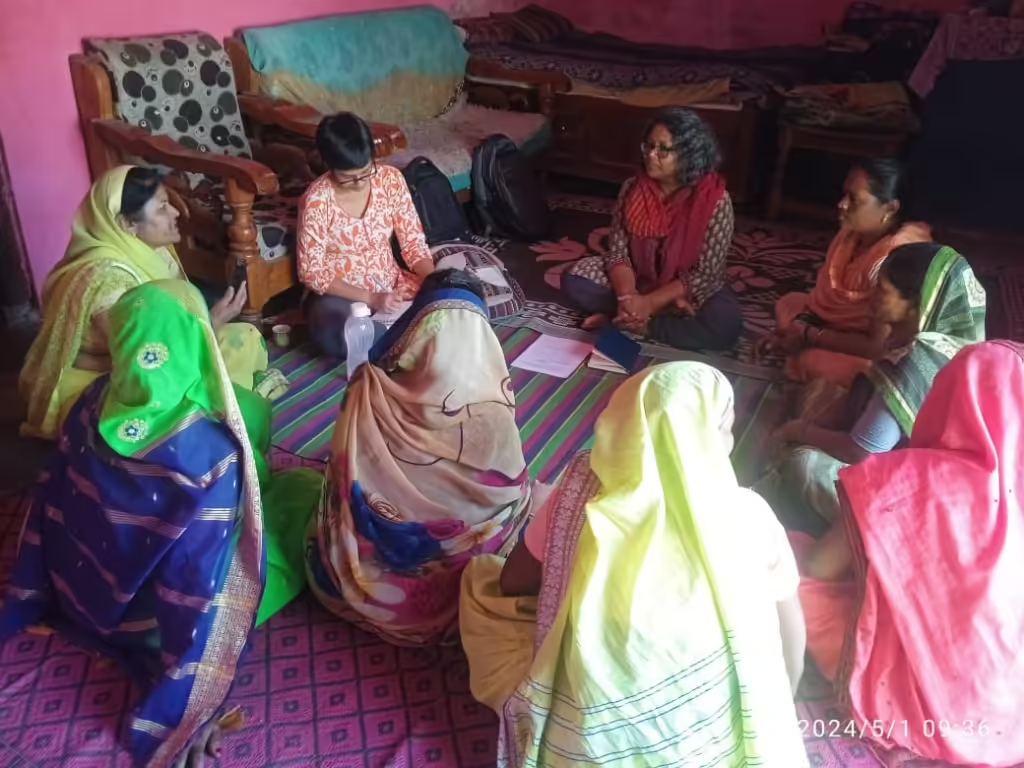
In this conversation, we explore co-creation in research with Dr. Ranjitha Puskur. She talks to our Partnerships & Research Lead, Neha Rachel Abraham and reflects on what it means to practice research for development. Research that is grounded, participatory and accountable to the communities it seeks to serve.
Below is an edited Q&A from the In Solidarity podcast.
Why should young researchers think about co-creation?
Neha Rachel Abraham: Many young researchers want to work in development research. How can they build a co-creation lens – where research is not extractive but is owned and used by communities?
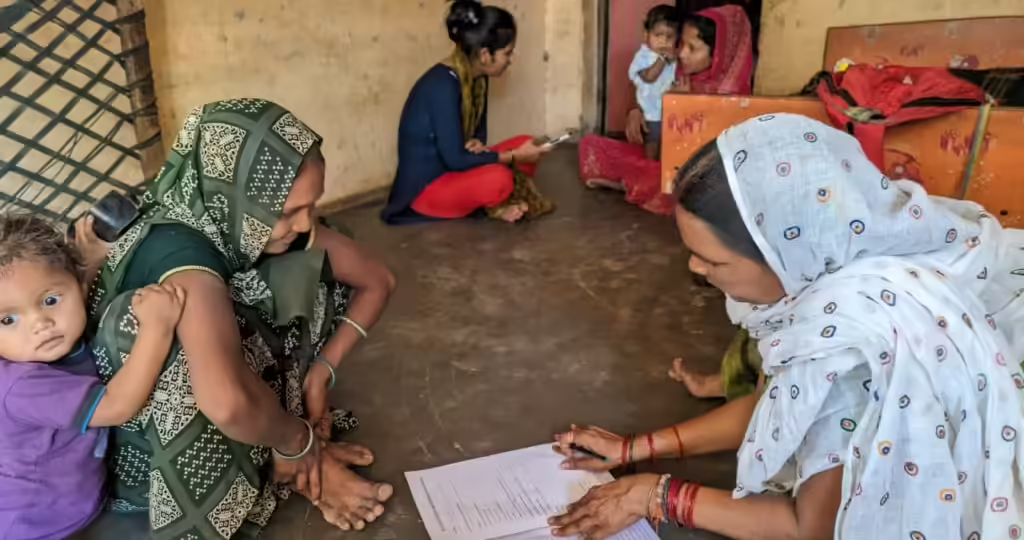
Dr. Ranjitha Puskur: Research for development is not research for the sake of research – it is research designed to have developmental impact. That requires participatory action research, intentionality, and an understanding that evidence must travel back to the people it concerns. When I was a desktop researcher, I enjoyed data and analysis. But once I started field-based work, I realised how little of that research actually reached the poorest women and men farmers — the very people who needed it most. So the shift begins with asking: What are we trying to change? Who is setting this agenda?
Where should research agendas begin?
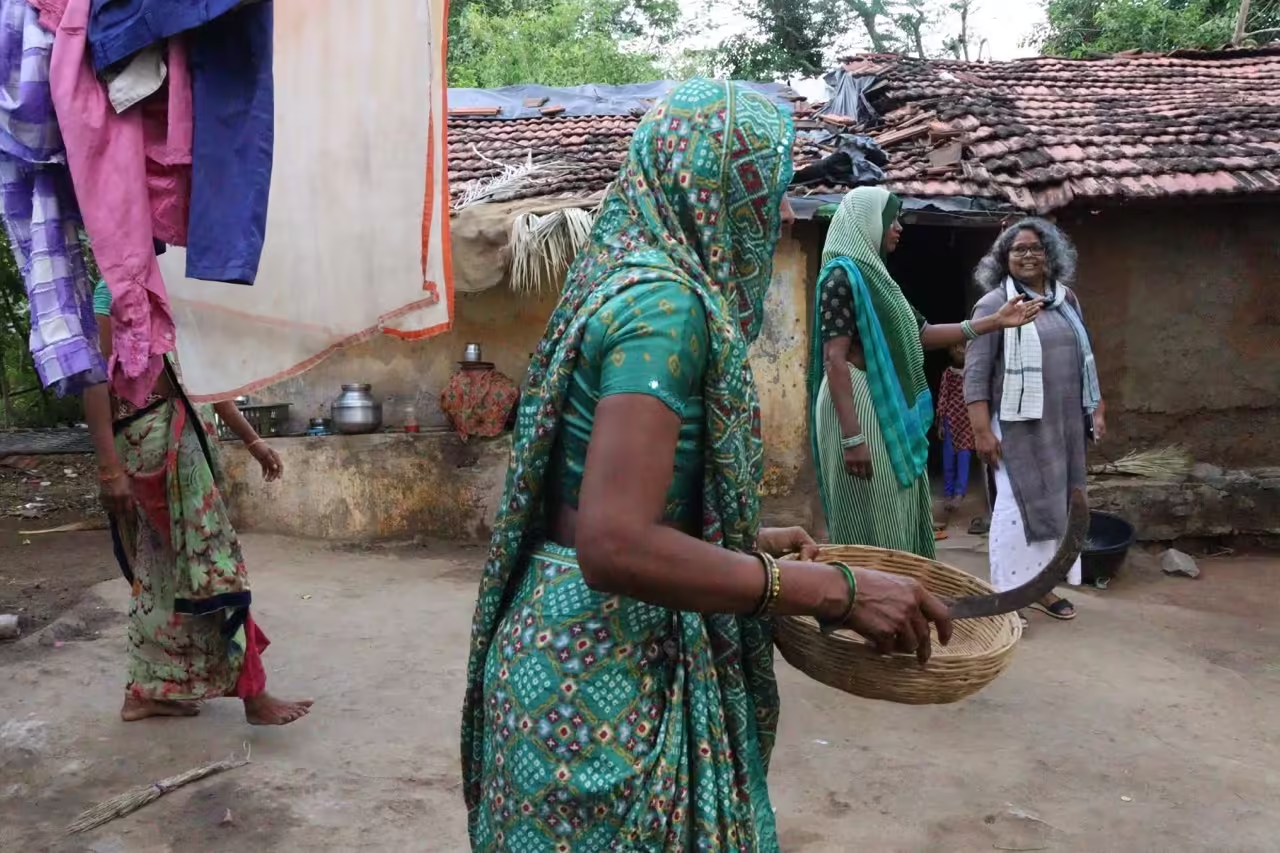
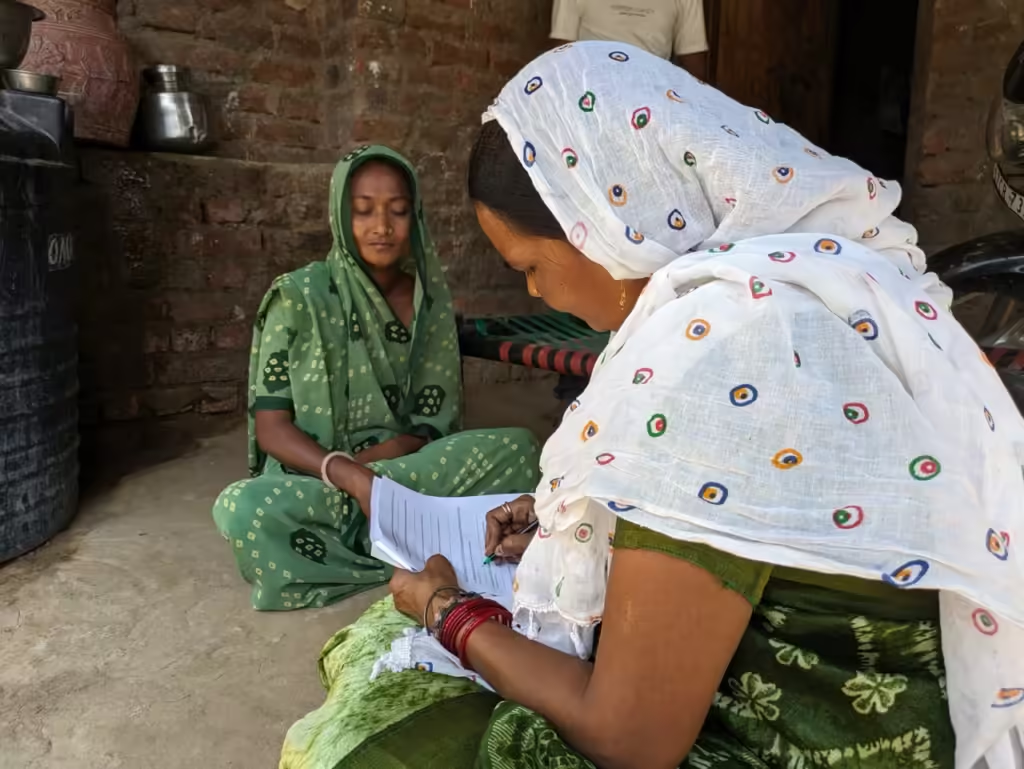
Prioritisation must be demand-driven. Women form the majority of the farming population. Starting from the ground means:
- understanding their most pressing challenges,
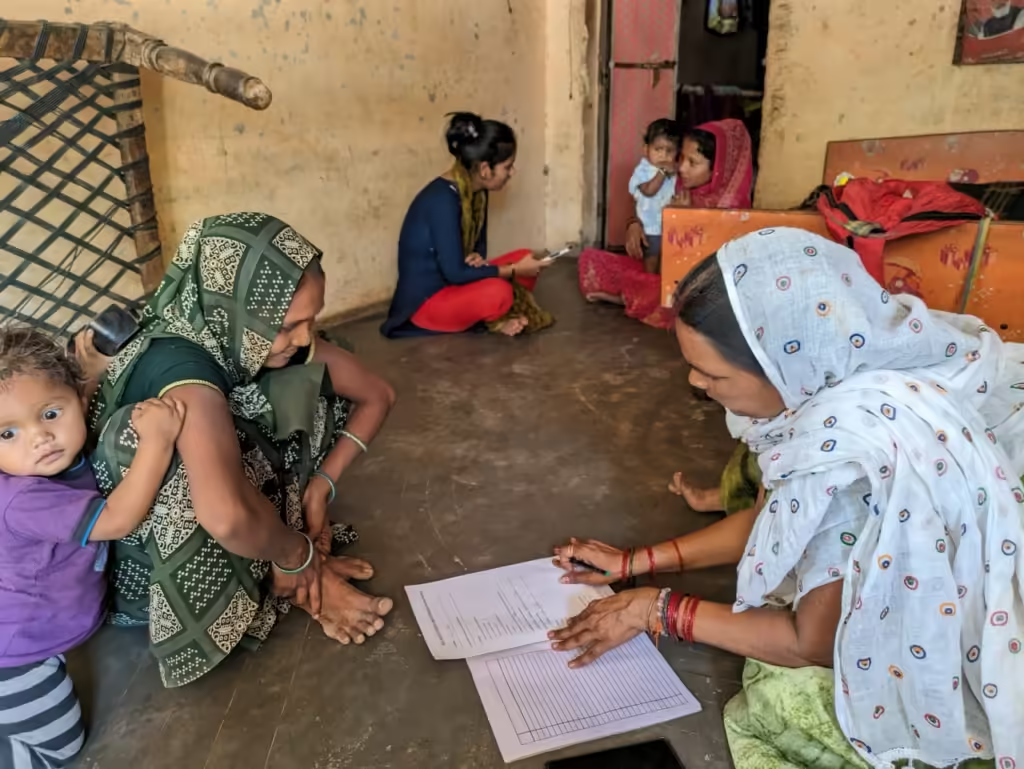
- co-designing research with them,
- and continuously testing whether solutions work in their context.
Too much research simply re-establishes the problems we have known for decades. Co-creation demands that we move toward solution-building, not repeated diagnosis.
What does it take to design solutions that work?
Good research needs both quantitative and qualitative insights, triangulated with stakeholder consultations and iterative learning. And importantly, Dr. Puskur urges young researchers to test their own recommendations:
“Write recommendations as if you have been tasked with implementing them. If it is not realistic or feasible, it is not useful.”
Moving away from vague or abstract recommendations is essential if research is to contribute to long-term resilience and community-led change.
Final reflection
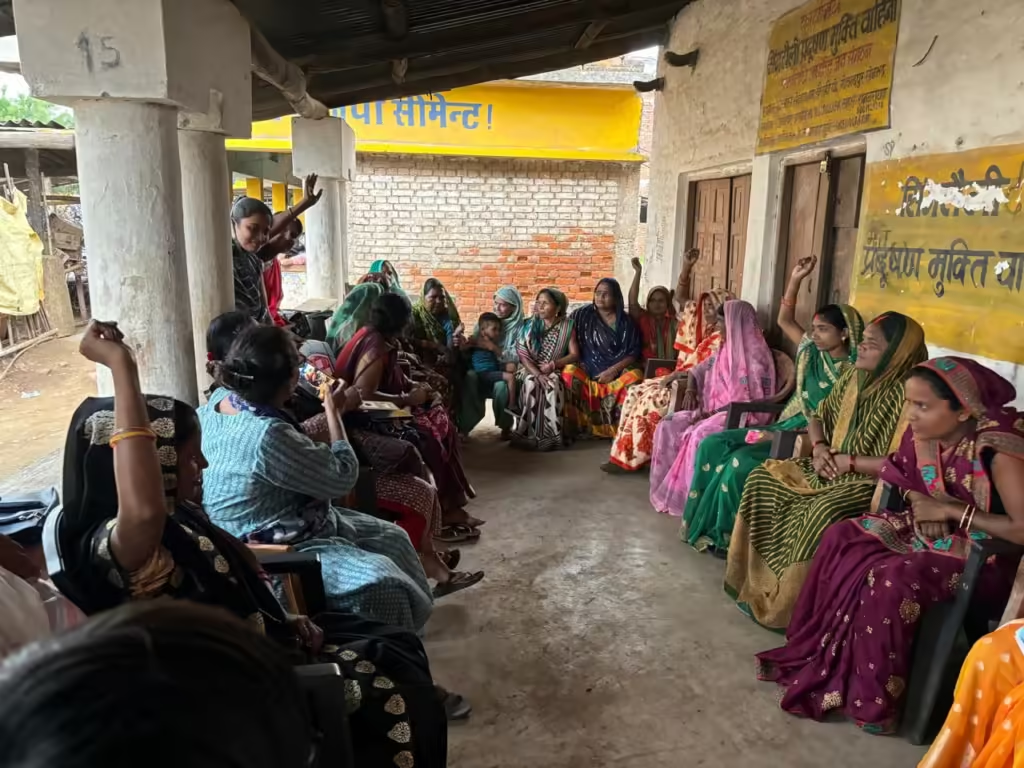
Co-creation is not a methodology, it is a mindset.
It is a commitment to designing research with communities, not for them; to producing evidence that is usable, not merely publishable; and to building solutions that communities can adapt, own, and sustain. Dr. Puskur shares more insights on women’s leadership, climate resilience, and evidence-building in agriculture. Her reflections highlight why co-creation in research is essential for building solutions that truly serve communities.
→ Listen to the complete episode here
→ Explore more episodes from our grassroots podcast series here
→ Check out our latest research here