

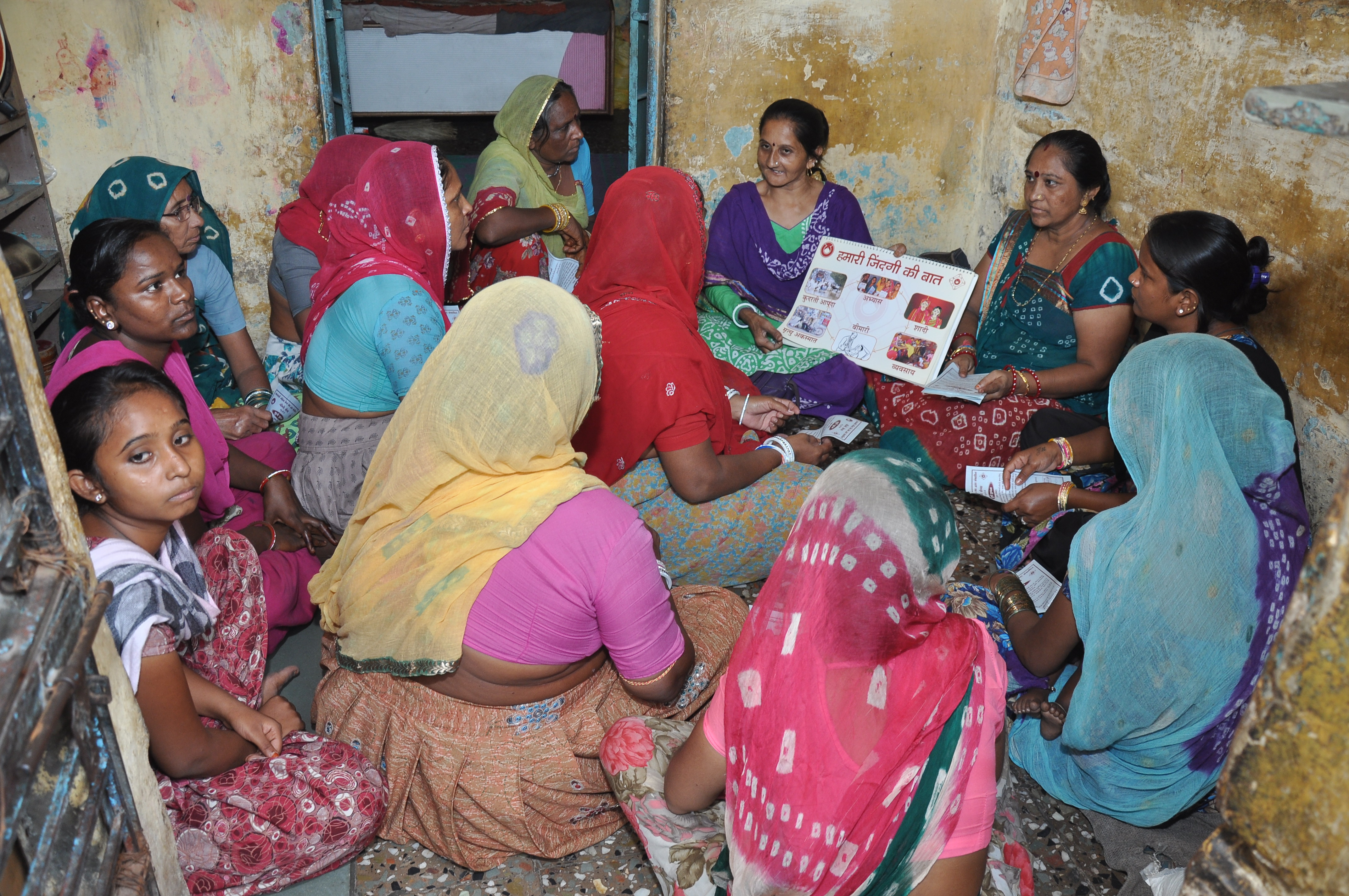
Introduction: social justice and the question of protection
This World Day of Social Justice 2026 draws attention to a fundamental question in the world of work: who is protected, and who is expected to manage risk alone. In India, this question is central to the current discourse on social security for informal women workers, who continue to work without contracts, stable incomes, or formal protection across sectors.
Recent protests by gig workers demanding social security have brought this question into larger focus. income volatility, lack of insurance, and the absence of safety nets are now begin publicly acknowledged as structural features of platform-based work rather than individual failures.
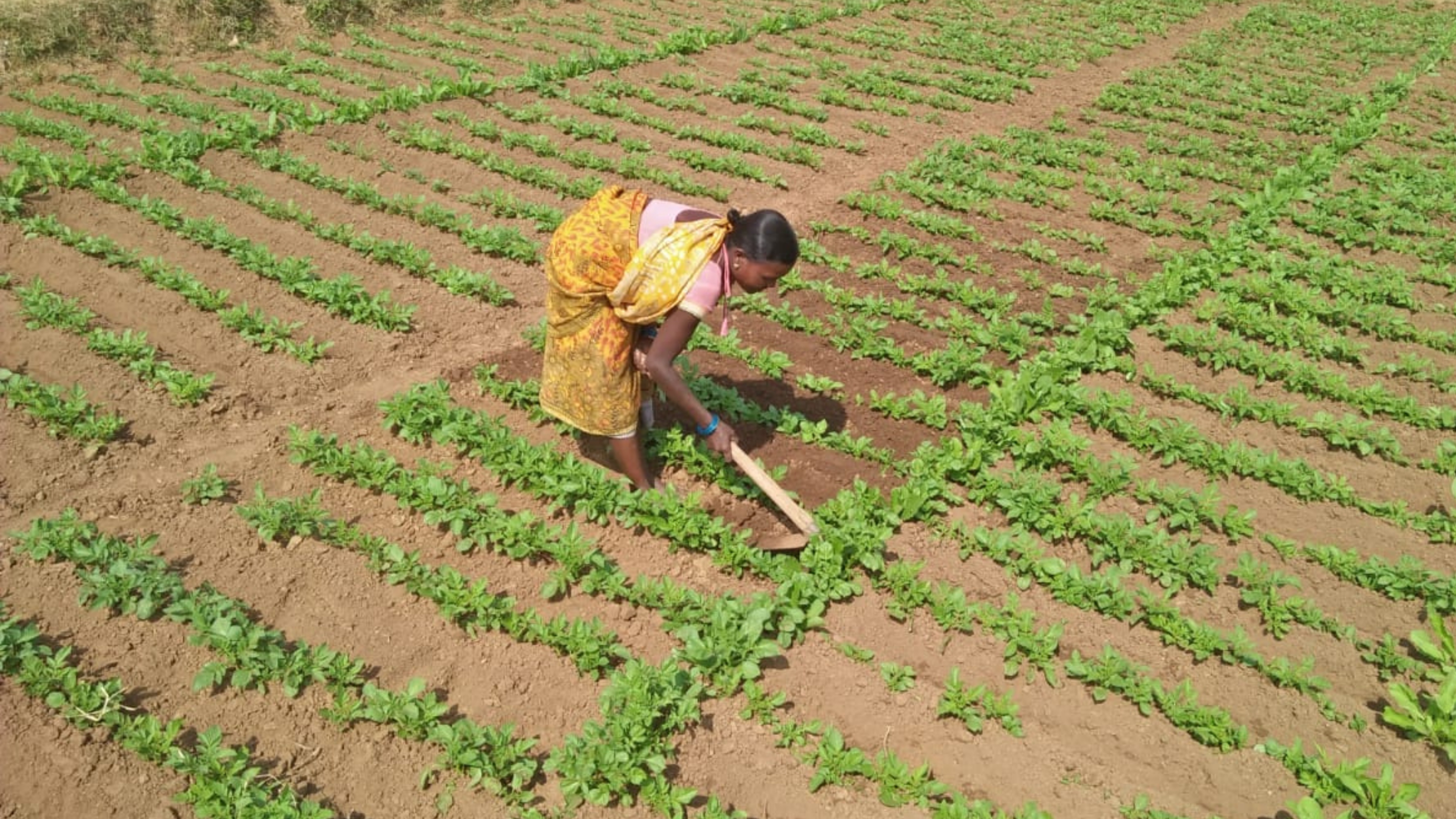
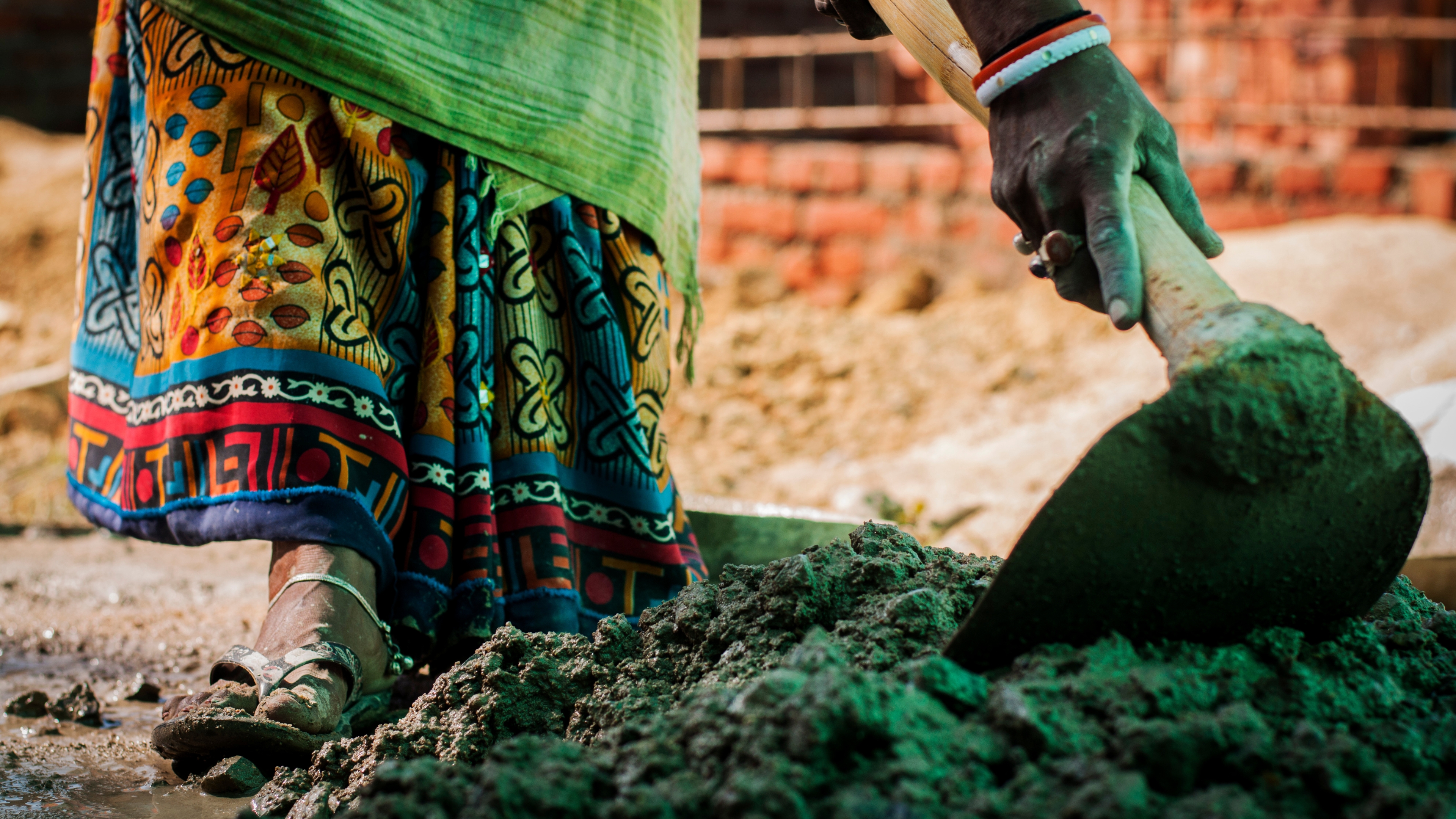
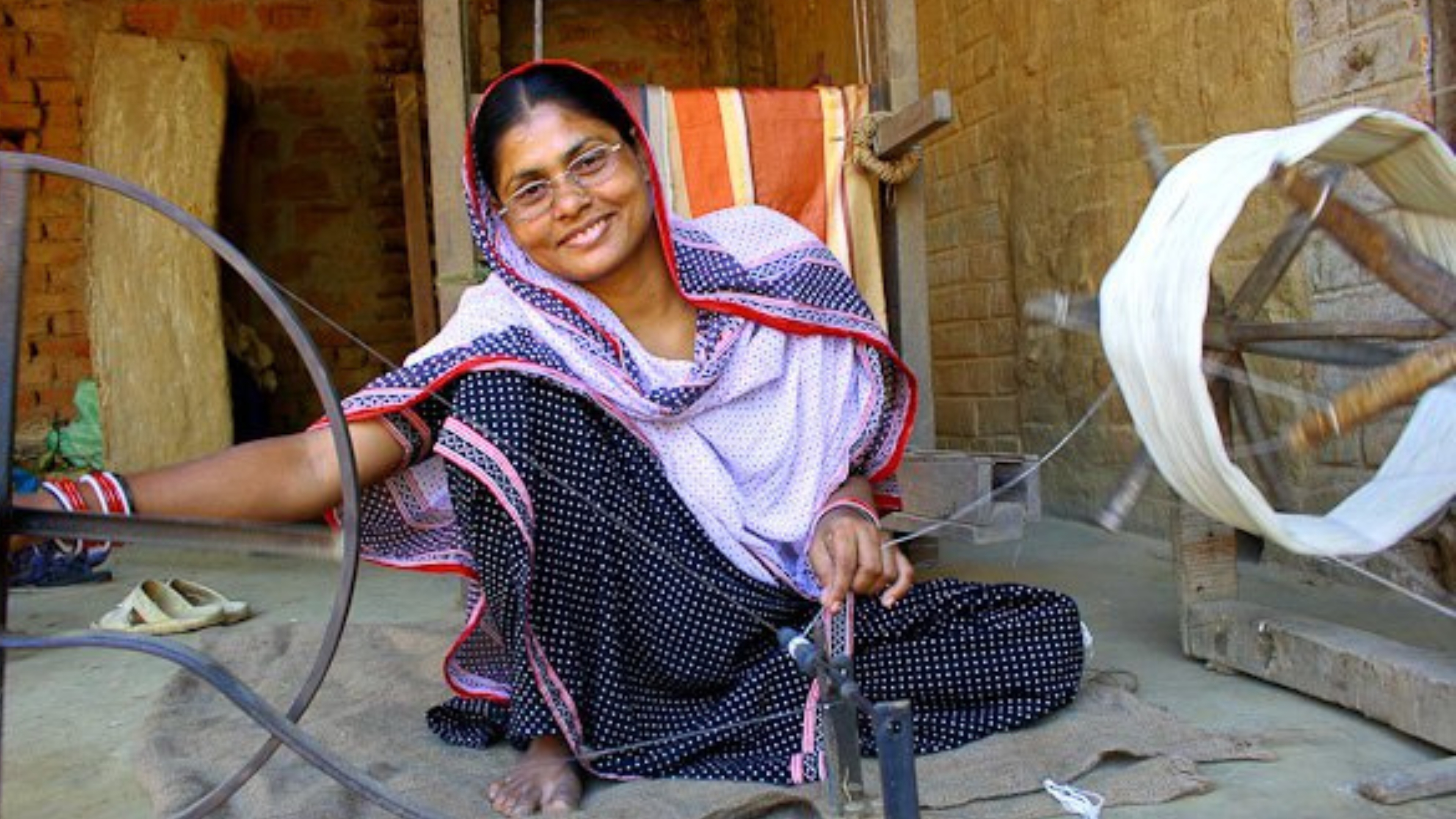
For informal women workers in India, these conditions are not new. They have long shaped everyday working life across sectors such as agriculture, home-based production, care work, domestic work, construction, vending, fisheries and small trade.The difference is that these realities were rarely recognised as matter of justice.
Informal work and the normalisation of risk
Women in the informal economy have historically worked without contracts, stable incomes, or employer-provided social protection. Illness, market shocks, crop failure, price fluctuations, and family emergencies have consistently been managed at household level.
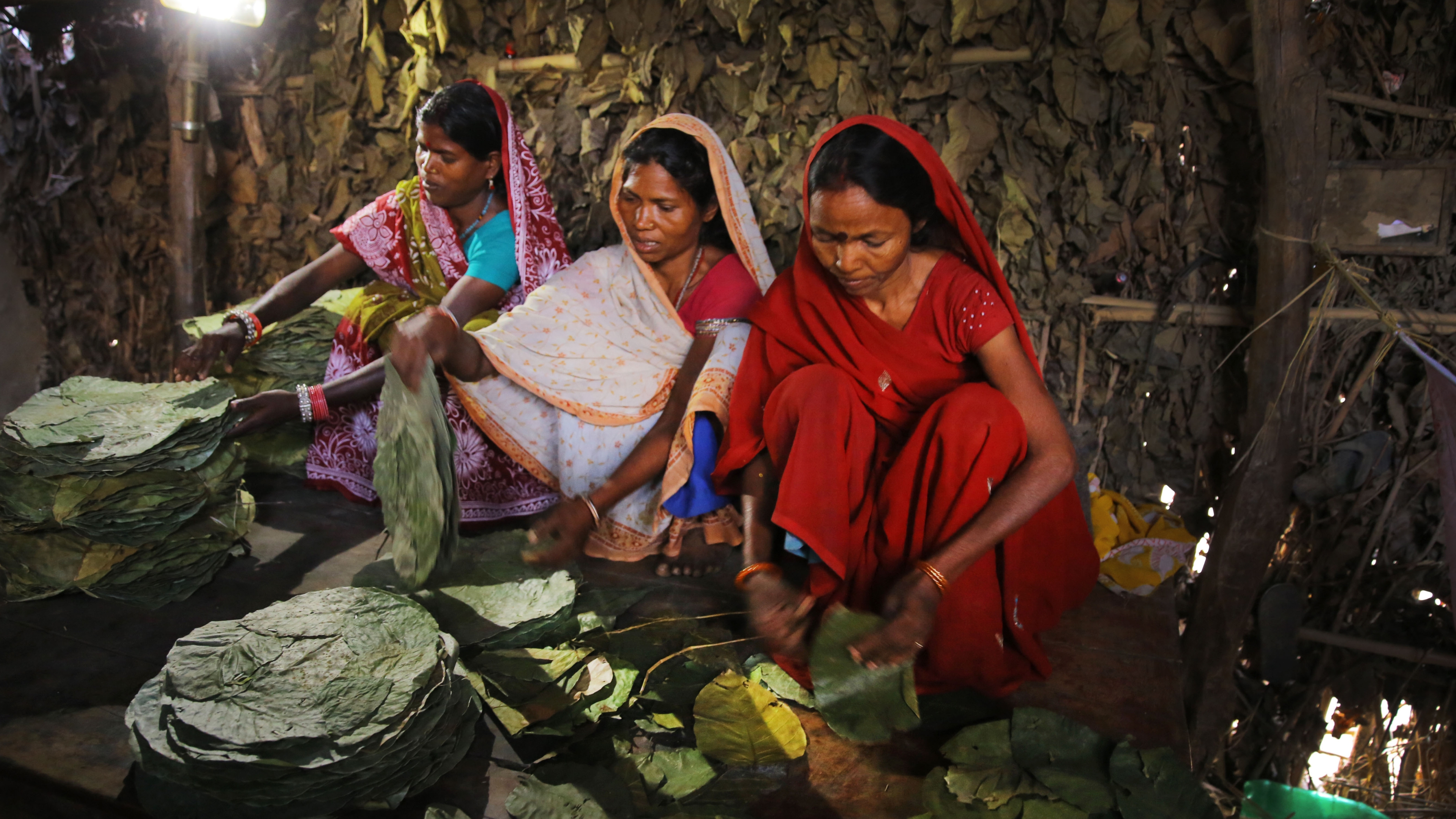
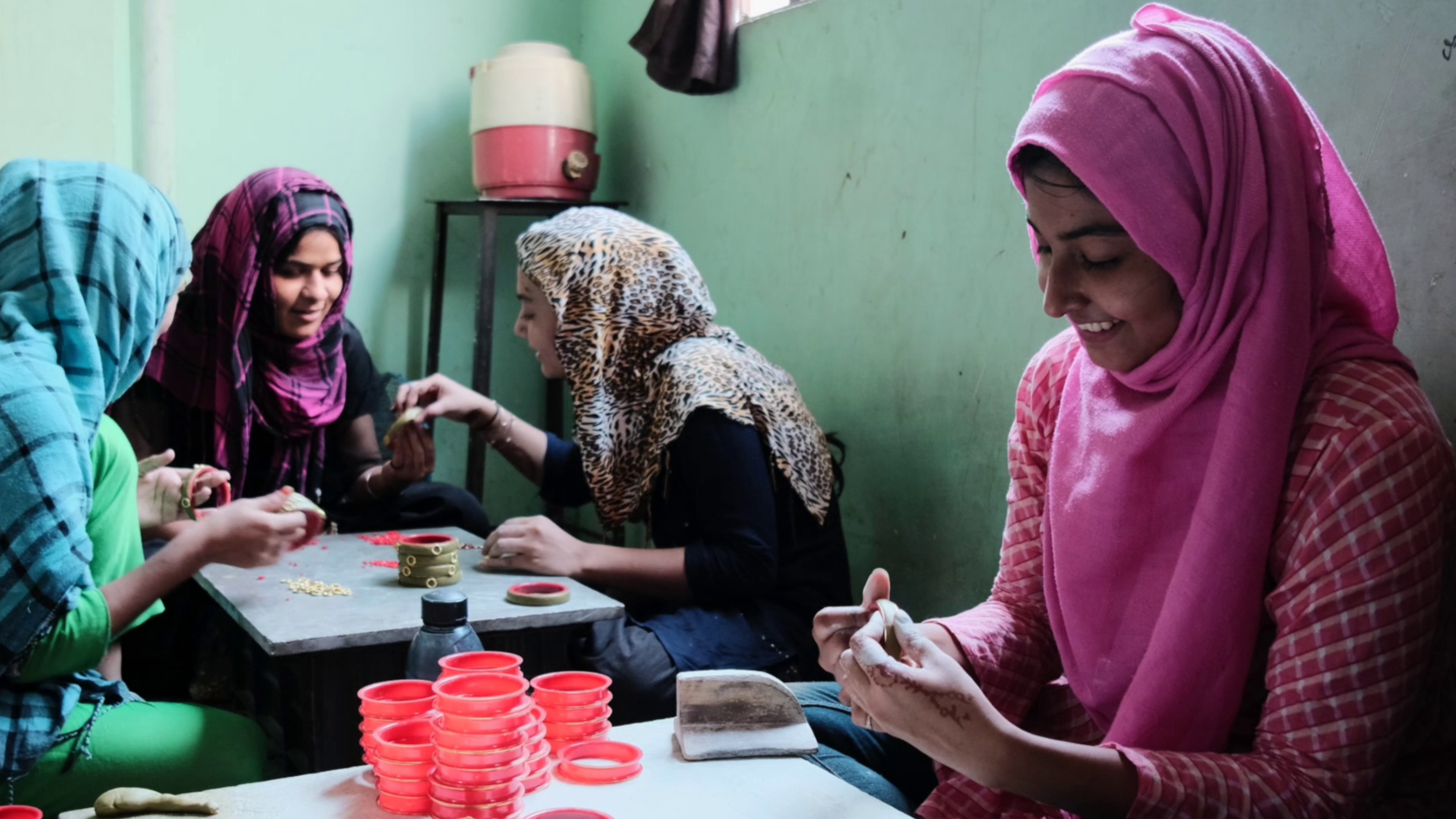
This individualisation of the risk has had long-term consequences. Health shocks disrupt livelihoods. Care responsibilities limit earning capacity. Market volatility pushes families into debt. Over time, there pressures accumulate, making work precarious even when women are continuously employed.
Social justice debates often focus on access to work. For informal women workers, the deeper issue has always been the absence of systems that protect over time.
Collective responses to structural insecurity
In response to these conditions, informal women workers did not wait for formal systems to include them. They organised.
Over decades, women workers built cooperatives, collectives and member-owned institutions to reduce expose to risk. There were no protest movements alone, but practical responses to everyday insecurity.
Through collective organising, women began to ask the same questions that dominate social justice debates today — How is risk shared? Who absorbs shock? What allows livelihoods to continue across illness, loss and uncertainty.
These questions shaped the design of worker-led institutions within the SEWA movement.
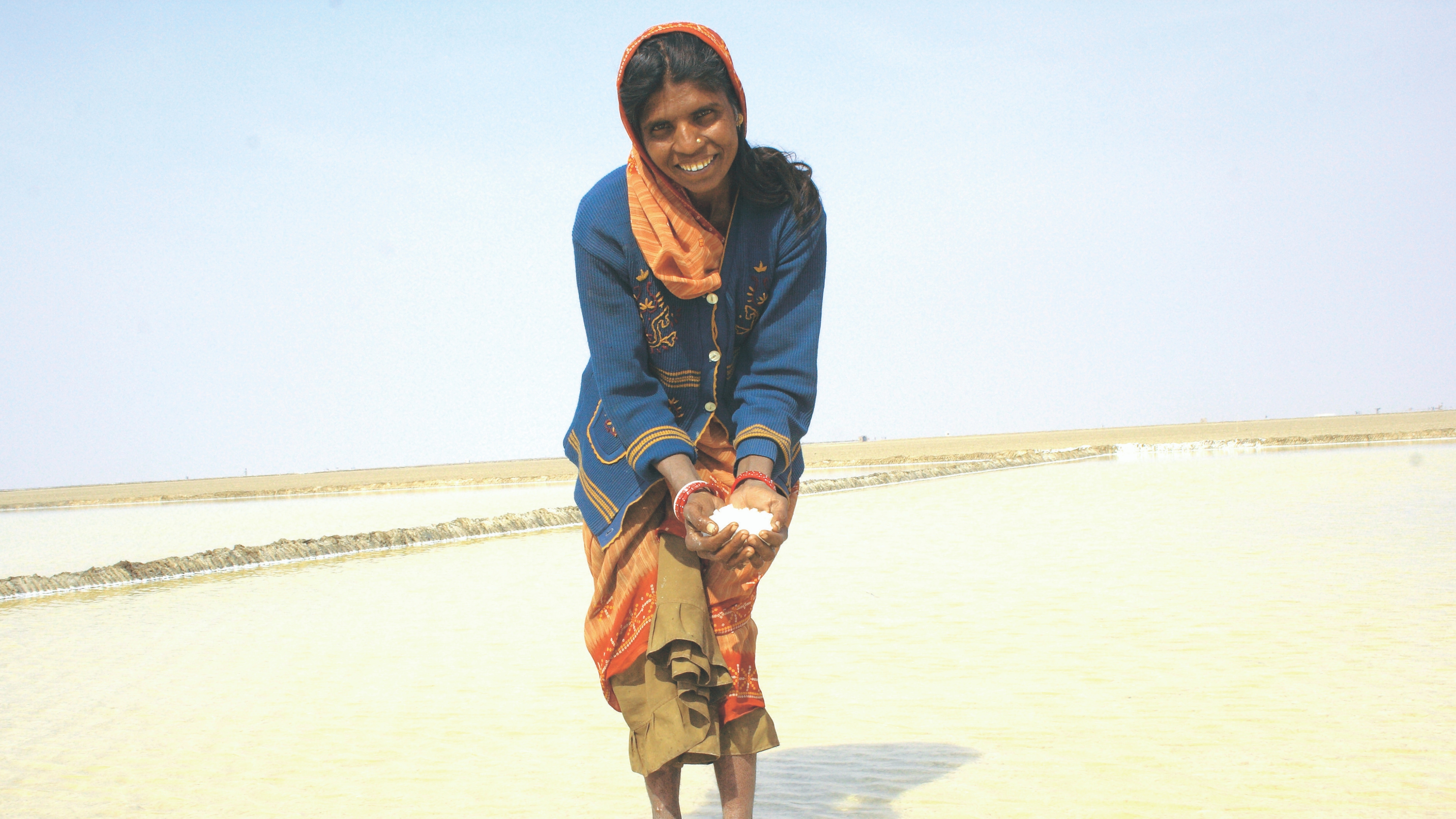
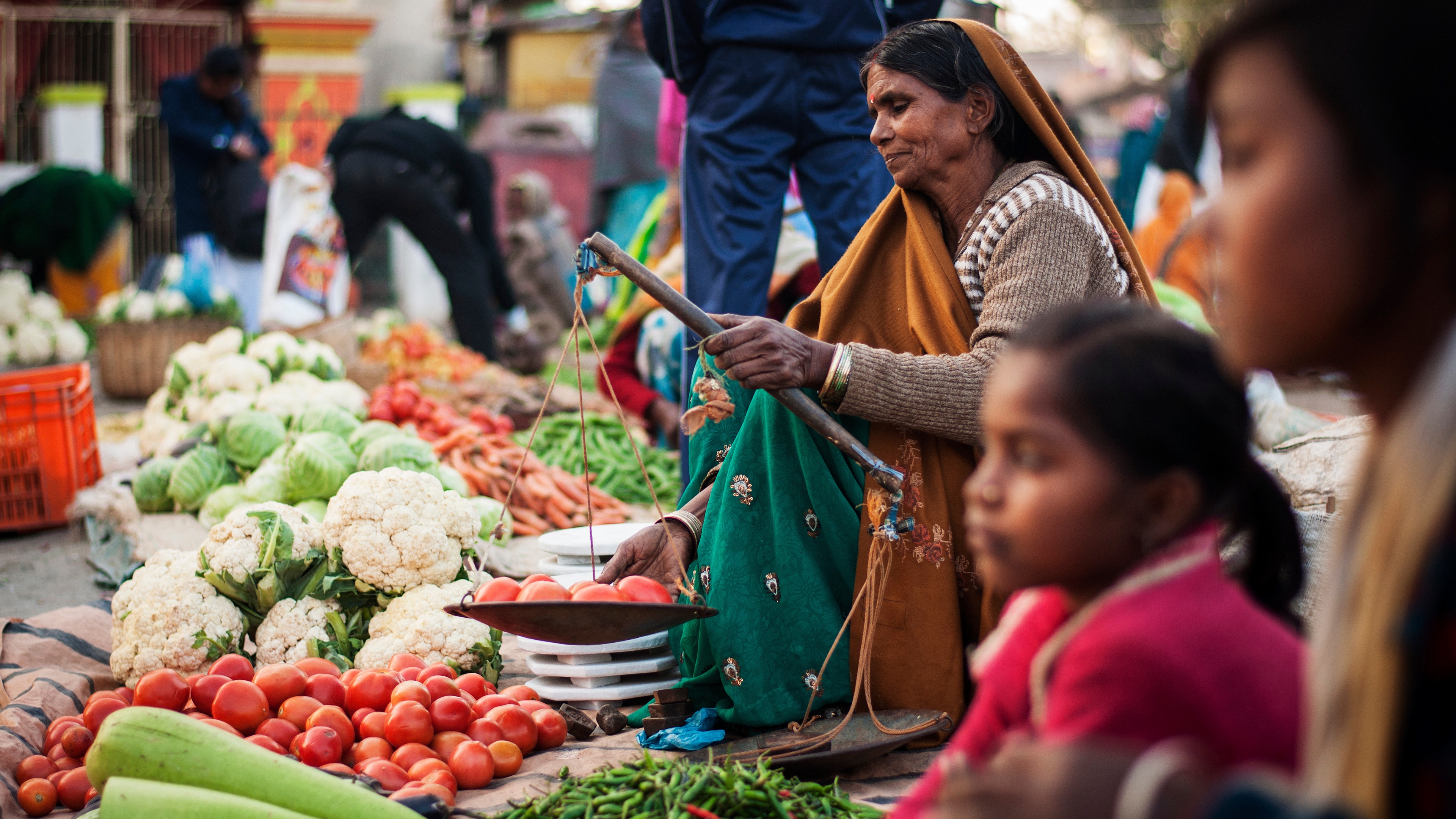
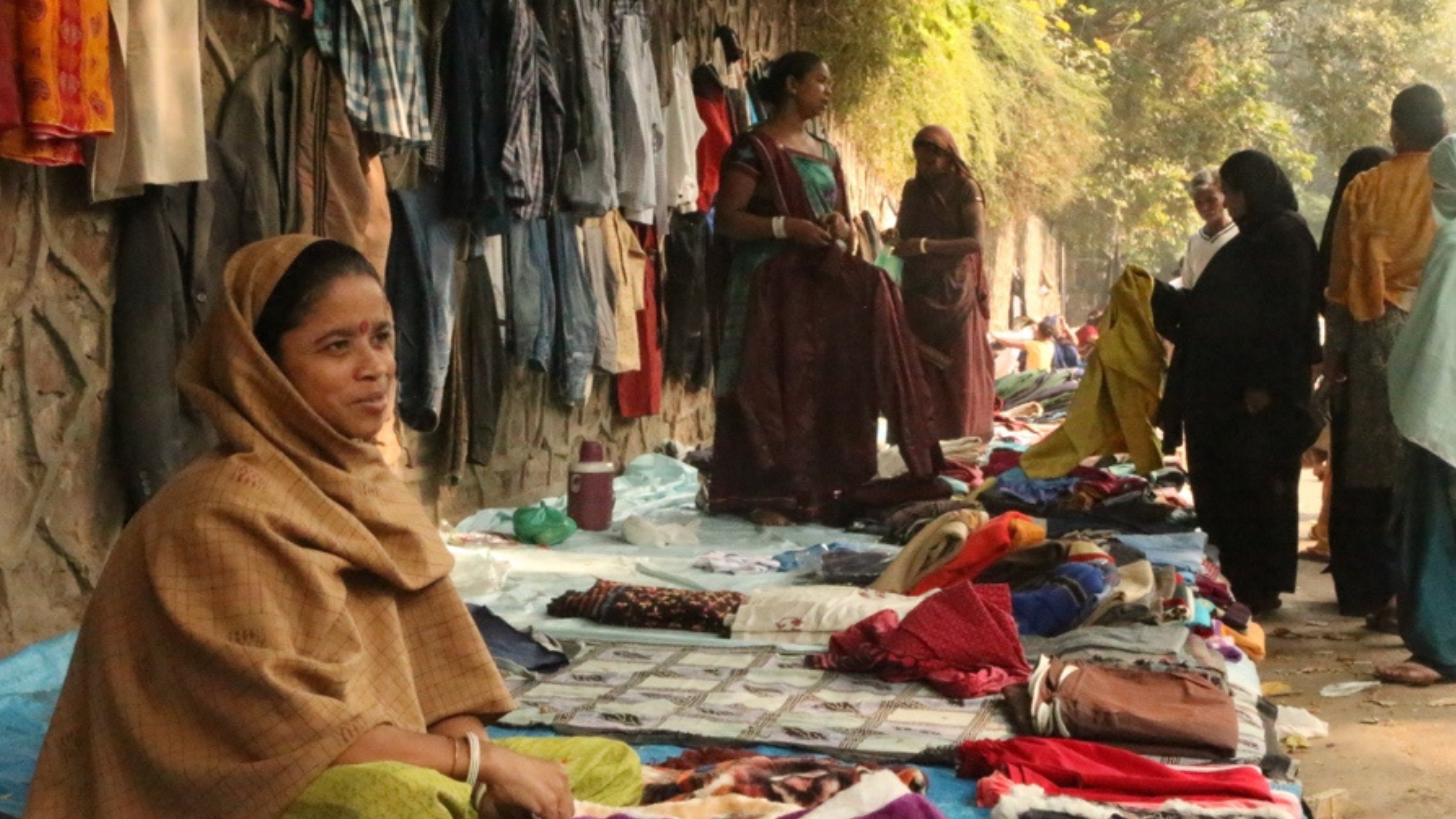
Social security for informal women workers built by workers themselves
SEWA’s experience shows that social protection does not only emerge through state or employer systems. It can also be built by workers themselves, when exclusion is persistent.
Three cooperatives illustrate this approach.
SEWA Health, through Lok Swasthya SEWA Cooperative, was created to address the reality that health shocks are also livelihood shocks. Community-owned healthcare systems emerged as a way to ensure access to care without pushing families into debt.
VimoSEWA, the National Insurance Cooperative, responded to the absence of insurance for informal workers. By pooling risk across members, women created insurance systems that cover life, health, and asset loss, reducing vulnerability during crisis.
SEWA Sangini Childcare Cooperatives addressed a different but equally structural gap. Care responsibilities often limit women workers abilities to work consistently. Childcare cooperatives enabled women workers to participate in economic activity with greater stability and continuity.
Together, these institutions demonstrate how social security for informal women workers can be built through collective ownership when formal systems fail to include them.
Why this matters for social justice today
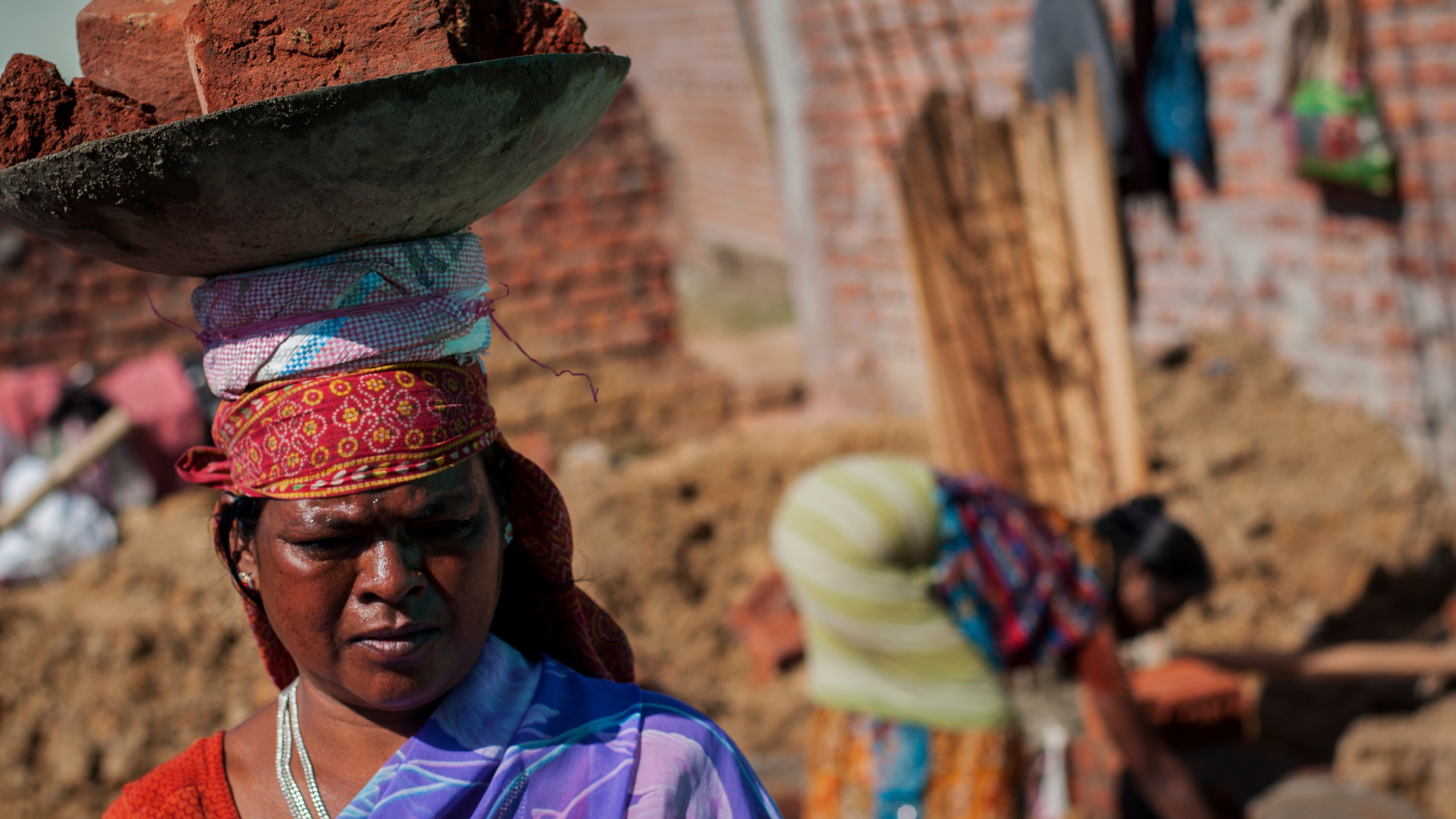
The current visibility of gig workers struggles has expanded public understanding of precarious work. It has also reopened conversations about who social protection is designed for.
The experience of informal women workers offers an important perspective. Social security is not only something to be demanded from above. It is also something that can be built from below, when workers organise collectively and design institutions that reflect their realities.
This does not replace the need for state responsibility. But it does show that inclusion must recognise and strengthen existing worker-led systems, rather than overlooking them.
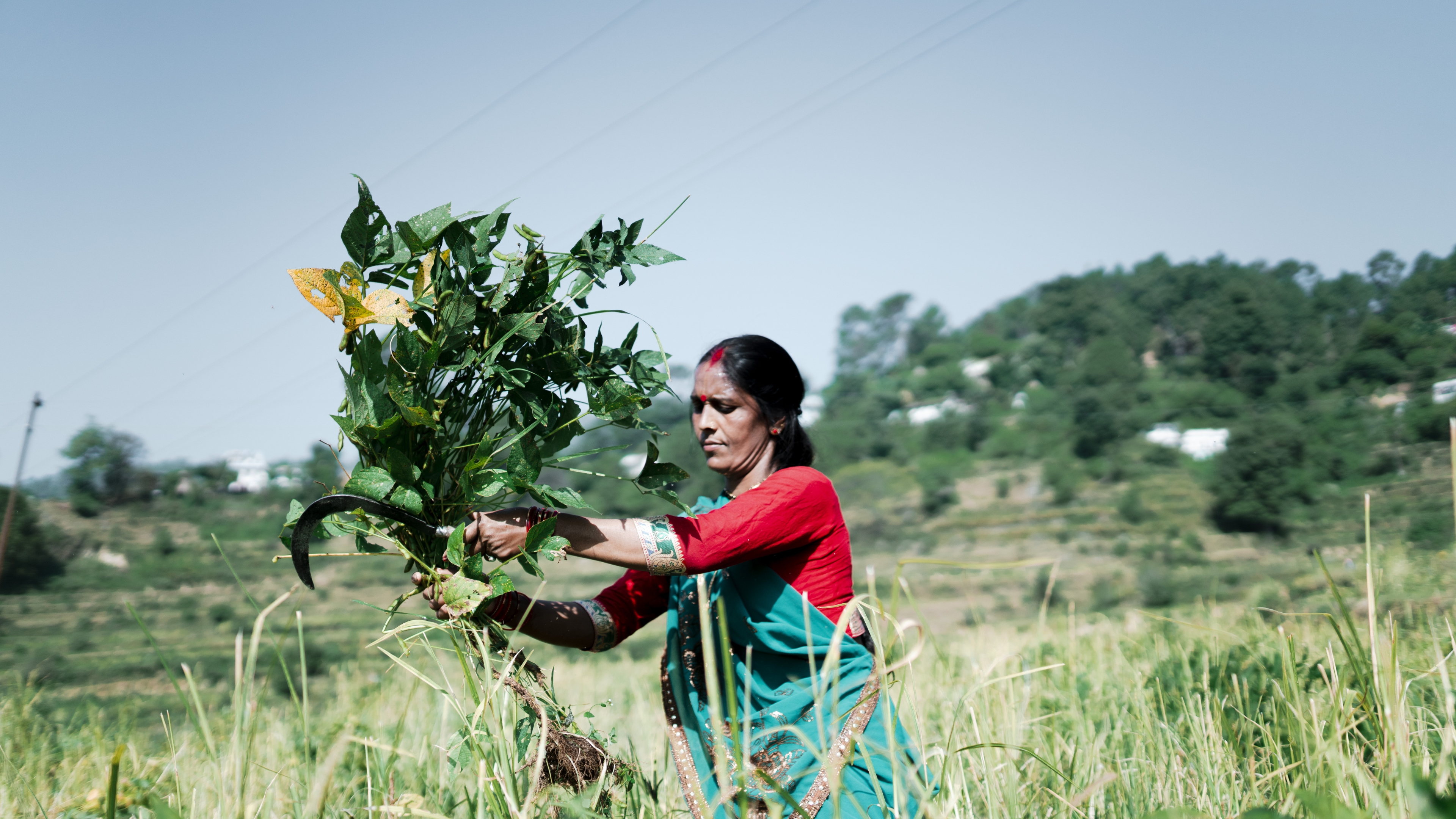
As this year is being recognised as the International Year of the Woman Farmer (FAO led), it is also a reminder that women’s work across sectors, including agriculture, has always been central to sustaining household, markets, and communities, even when protection systems have lagged behind.
Conclusion: Social justice as Institutional access
Social justice starts from being visible in the economy. It then, is ensuring social security for informal women workers through institutions that protect, stabilise, sustain and grow livelihoods over time.
For informal women workers of SEWA, cooperatives have been one such pathway for the past 50 years. They have enabled banking, housing, healthcare, insurance, childcare, and collective risk-sharing in contexts where formal systems were absent.
As the social security discourse continues to evolve, the experience of informal women workers of SEWA and their cooperatives offers valuable lessons on how protection can be designed, owned, managed and sustained collectively.
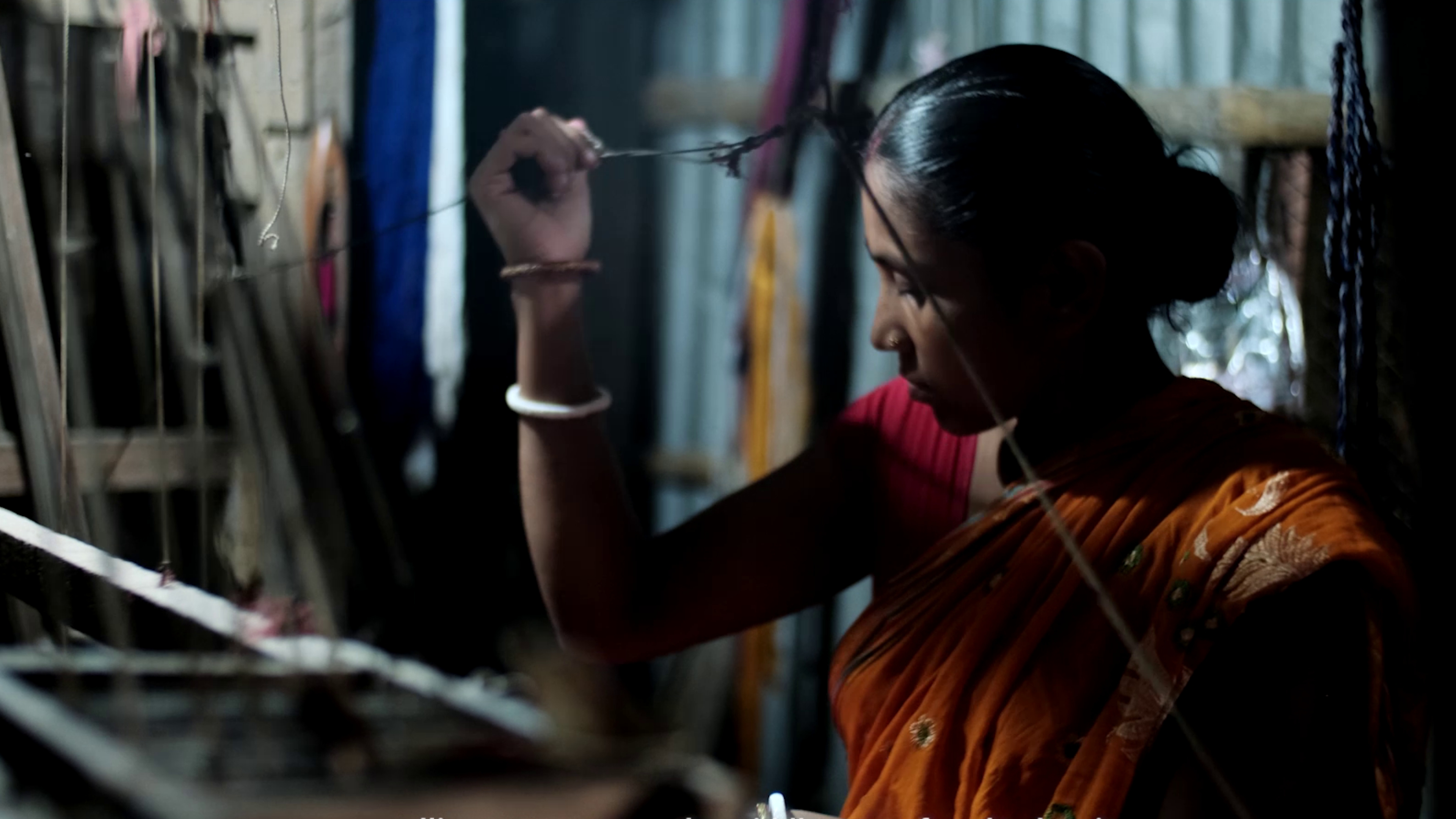
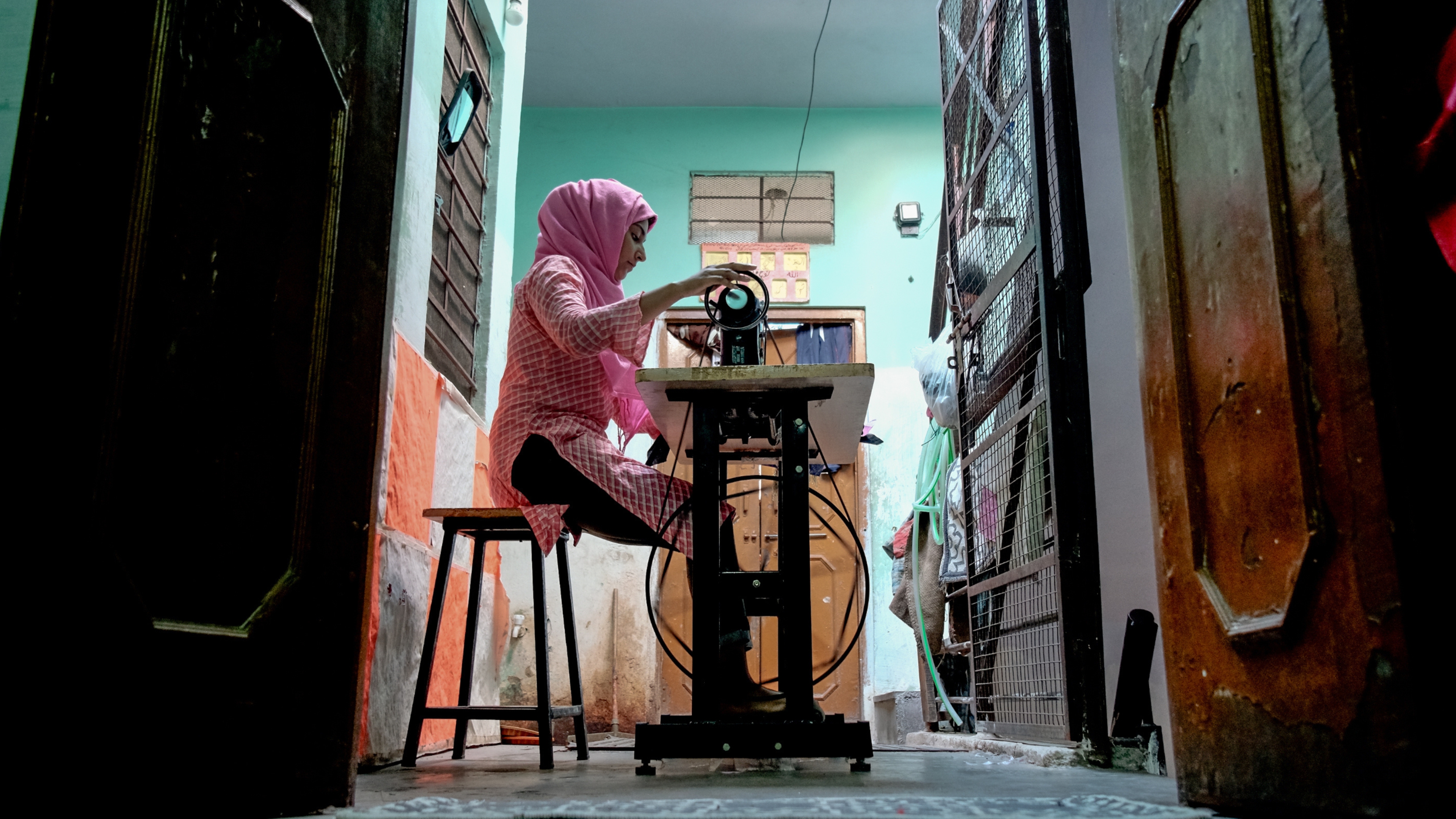
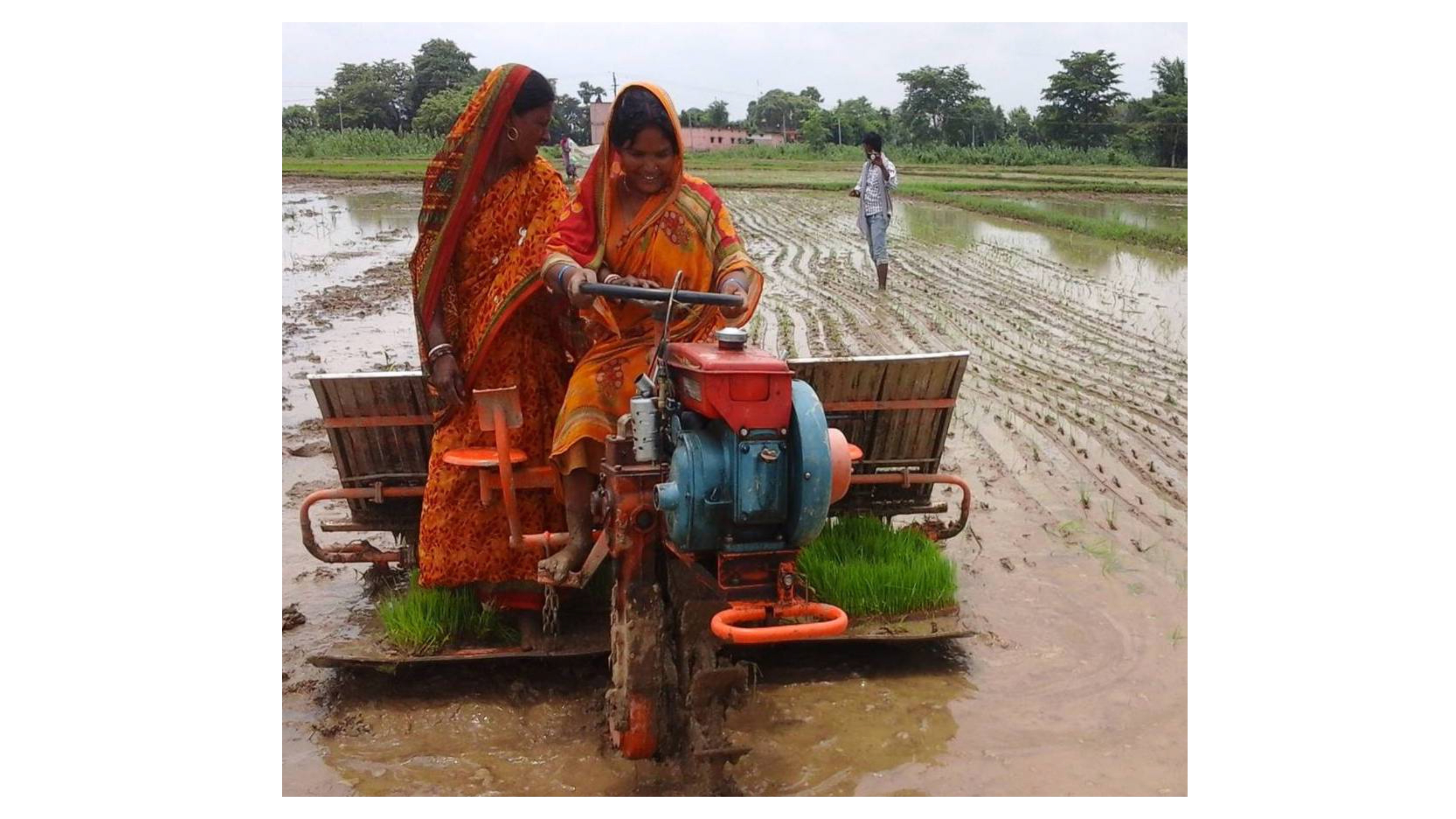
The images used in the galleries of this article are from SEWA Bharat.
